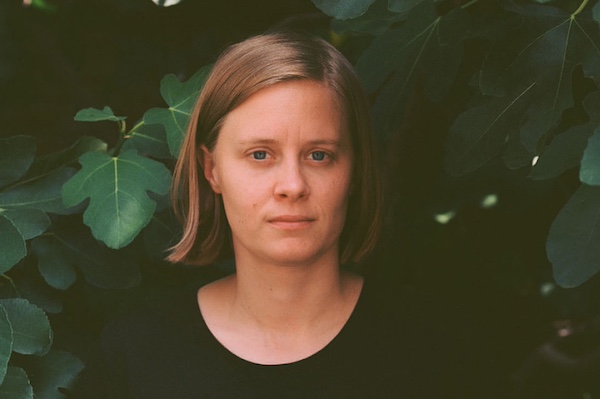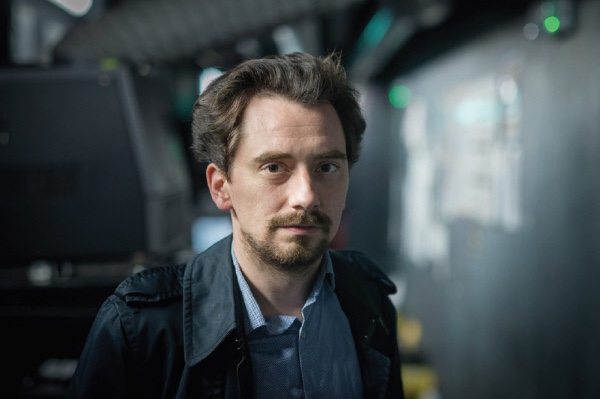
Viktoria Schmid and Johann Lurf were in attendance for a Q&A with Oliver Dickens after the screening.
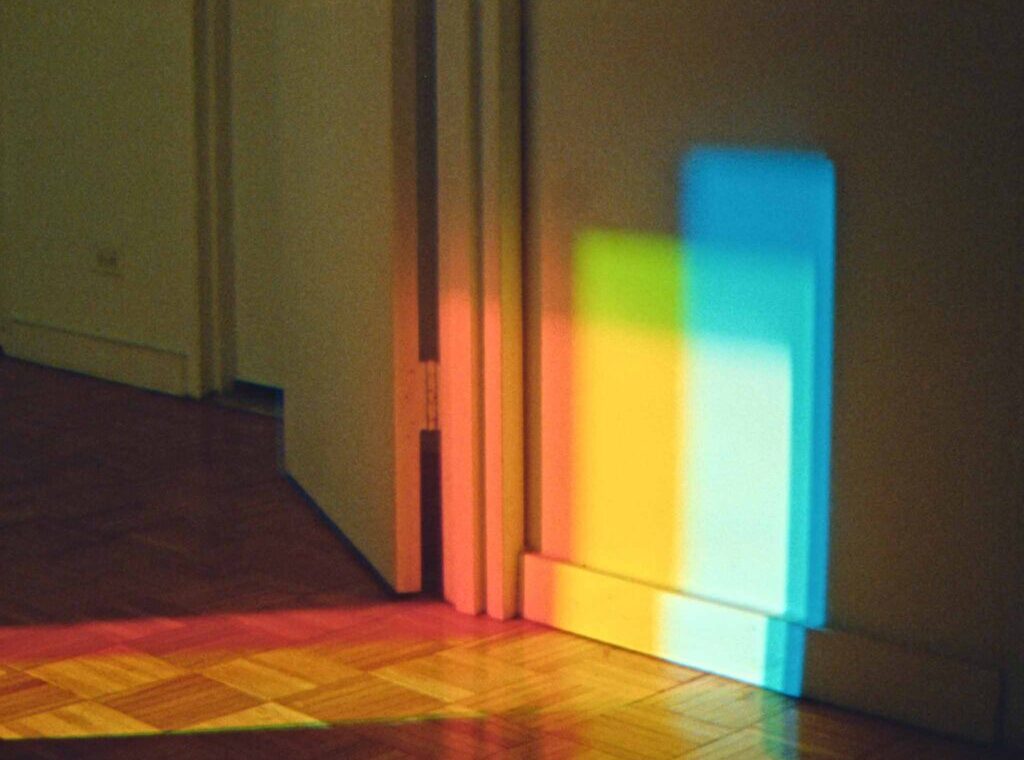
VIKTORIA SCHMID
A Proposal to project in 4:3
2016, 2 min, 16mm
W O W (Kodak)
2018, 2 min, 35mm
NYC RGB
2023, 7 min, 16mm
Rojo Žalia Blau
2025, 10 min, DCP
A Proposal to project in Scope
2020, 8 min, 35mm
ACHTUNG / HALLO 35
2010, 2’30 min, 35mm
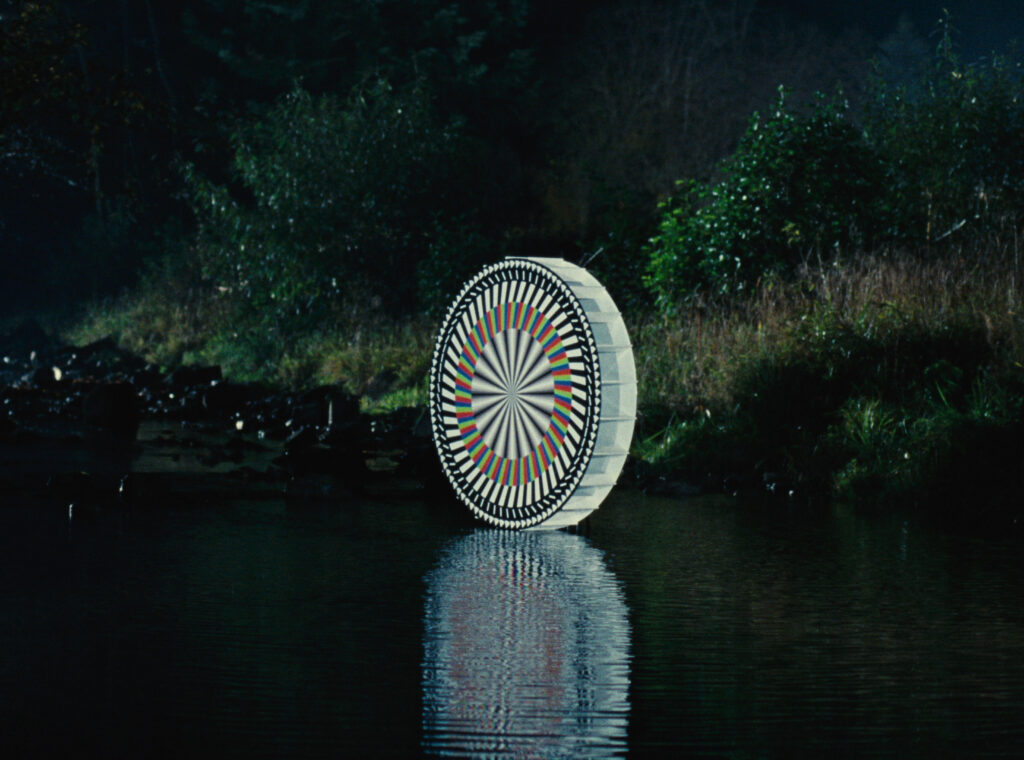
JOHANN LURF
RECONNAISSANCE
2012, 5 min, DCP
Revolving Rounds (with Christina Jauernik)
2024, 11 min, 35mm
Cavalcade
2019, 5 min, 35mm
Vertigo Rush
2007, 19 min, DCP
Viktoria Schmid (1986, Austria) works at the interface of the cinematic and exhibition space.
Johann Lurf (1982, Austria) is known as an experimental filmmaker who cannot easily be subsumed under one style or category.
Viktoria Schmid &
Johann Lurf
A programme of ten short films bringing together the practices of Vienna based filmmakers Viktoria Schmid and Johann Lurf for the first time.
Viktoria Schmid and Johann Lurf work at the intersection of the cinema and exhibition space, exploring shared interests in cinematic technologies, landscape, and human perception. Each working with a wide variety of mediums and formats including 35mm CinemaScope, 16mm, stereoscopic 3D, video, photography, and installation, their works are characterised by thoughtful and surprising reconfigurations of natural and built landscapes. Though sharing similarities in subject matter and concepts, Schmid and Lurf’s differing approaches to their individual practices results in the distinctive bodies of work this programme seeks to juxtapose.
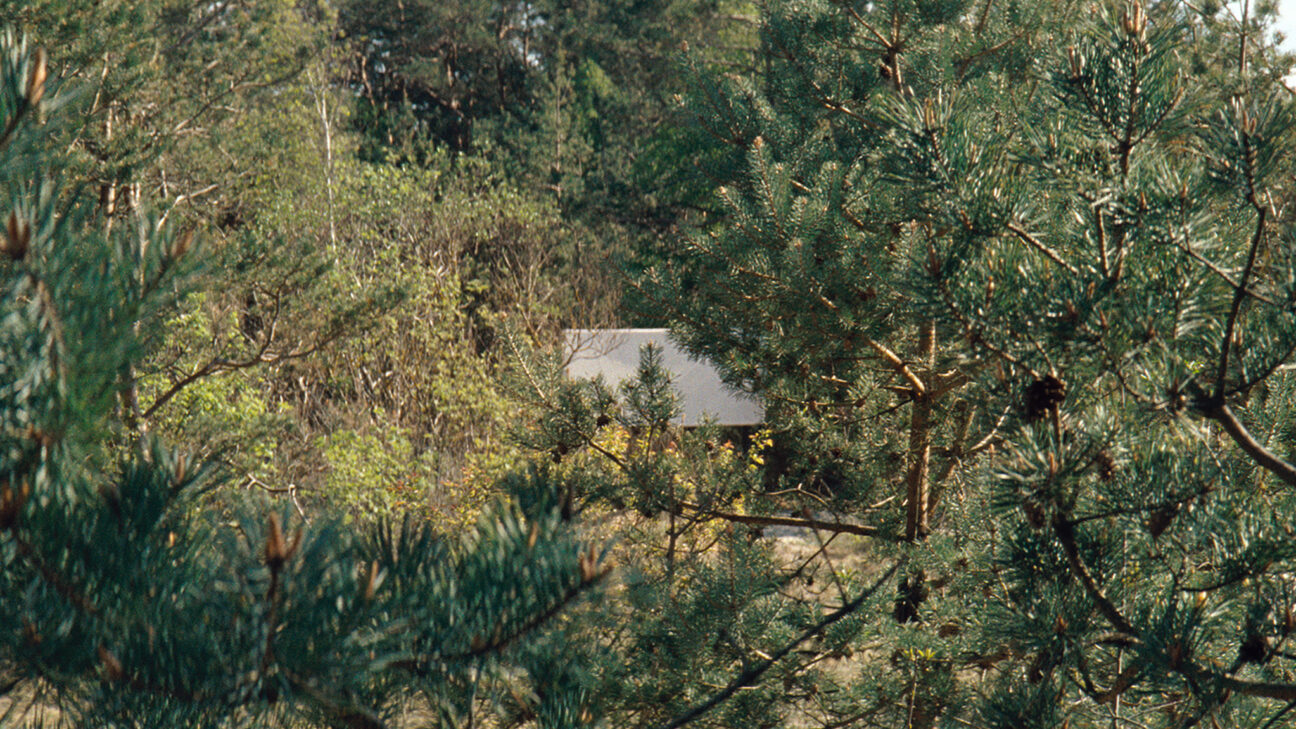
In her most recent films NYC RGB (2023) and Rojo Žalia Blau (2025), Viktoria Schmid presents sublime vistas of New York and European countryside through a specially devised shooting technique that reconstructs historical colour systems of analogue film to gently play with our perceptions of landscape and time. Likewise Johann Lurf’s RECONNAISSANCE (2012) trains a formal eye on a US military torpedo testing site’s ominous topography in a shifting play of light and framing that subtly upends our sense of space.
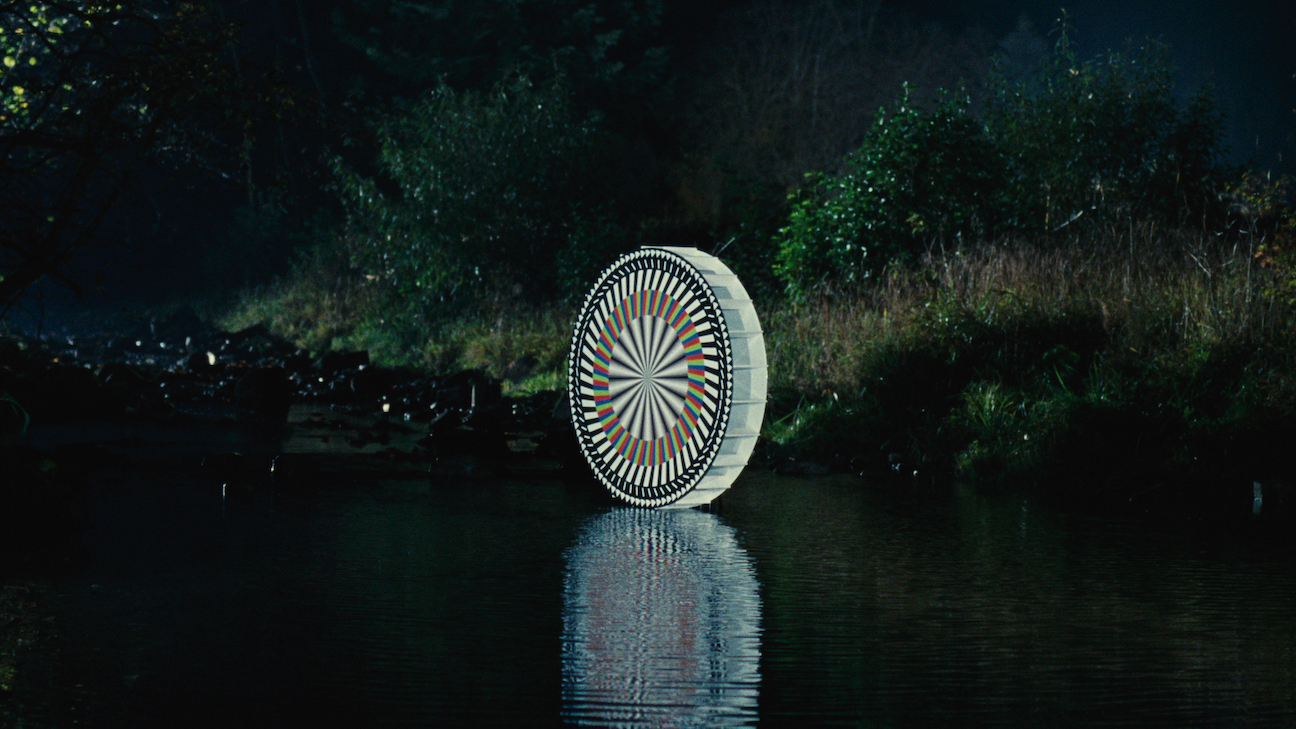
Intervening into the landscape, Schmid’s A Proposal to project in 4:3 (2016) and A Proposal to project in Scope (2020) bring cinema out of the dark and into nature to explore the sculptural qualities of the cinema screen whilst foregrounding light and shadow play. Lurf also intervenes in the natural landscape, with his most recent films Cavalcade (2019) and Revolving Rounds (2024) taking cinematic technologies of the phenakistoscope and cyclostéréoscope (autostereoscopic 3D device) as their lifting off points to explore our sense of what’s real and what’s perceived. Lurf’s earlier work Vertigo Rush (2007) takes to the woods to push the dolly zoom film technique to its limits, recalling not only its establishment by Hitchcock in Vertigo (1958) but also the formal and mechanical studies of Michael Snow and Ernie Gehr.
Perhaps appearing as outliers in this programme, Schmid’s W O W (Kodak) (2018) manipulates video footage from YouTube to resurrect Kodak’s Rochester facility in a tribute to colour sensitive analogue film whilst her early darkroom film ACHTUNG / HALLO 35 (2010) is a city symphony of sorts that fetishizes both analogue film and Vienna whilst drawing attention to cinema’s essential makeup.
Programmed by Oliver Dickens for Sonic Cinema. Supported by the Austrian Cultural Forum London and sixpackfilm.